Losing a loved one is one of the most painful experiences any family can face. During such a difficult time, families need space to grieve, support one another, and make arrangements for the final rites.
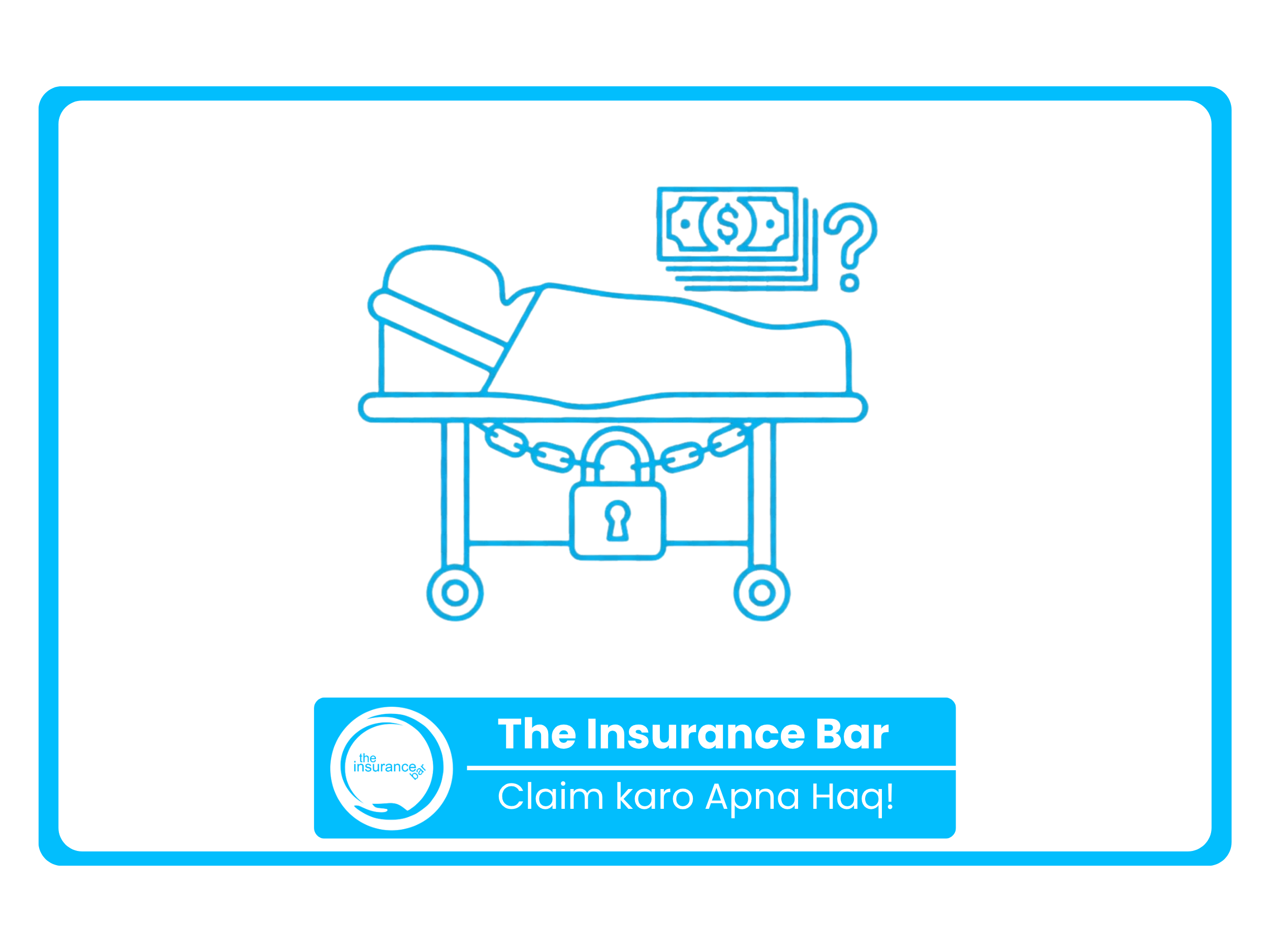
Unfortunately, some families find themselves caught in a distressing confrontation at the hospital billing counter: hospital authorities refuse to release the deceased patient’s body because the final cashless insurance approval is delayed, or a portion of the hospital bill remains unpaid.
Being told that you cannot take your loved one home until an insurance query is settled or emergency cash is arranged creates unbearable emotional pressure.
Can a hospital legally refuse to hand over a deceased patient’s body over an unpaid bill or pending insurance claim?
The clear answer is no. Under Indian law and established patient-rights guidelines, withholding a deceased person’s body as financial leverage is unlawful. While hospitals have the legal right to recover genuine dues through lawful avenues, detaining mortal remains is never an acceptable debt-collection method.
What Does the Law Say About Dignity and Custody of a Deceased Person?
The legal framework in India recognizes that human dignity does not end with death. The National Human Rights Commission (NHRC) and constitutional courts have consistently affirmed that the right to dignity under Article 21 of the Constitution extends to the respectful treatment of a deceased person and their family’s right to perform last rites.
1. The Charter of Patients’ Rights
The Ministry of Health and Family Welfare adopted the Charter of Patients’ Rights, drafted by the NHRC, to protect patients and their families.
Under Right No. 15 (Right to Take Discharge of Patient, or Receive Body of Deceased from Hospital), the Charter explicitly states that a hospital cannot withhold or delay the release of a deceased patient’s body on procedural grounds, including non-payment of bills or disputes over hospital charges. While healthcare is administered at the state level—meaning administrative enforcement can vary by jurisdiction—this Charter establishes an authoritative national standard for patient dignity.
2. High Court Directives
Indian courts have firmly rejected the idea that hospitals can hold patients or bodies as financial security:
- Bombay High Court :-
In public interest litigations addressing hospital detentions (such as Sanjay S. Prajapati v. State of Maharashtra), the court observed that detaining patients or mortal remains over medical bills amounts to wrongful confinement. - Delhi High Court (Devesh Singh Chauhan v. State) :-
While examining a case involving the detention of a patient over outstanding dues, the High Court held that unpaid charges can never be a valid ground to withhold a person’s release, firmly remarking: “We deprecate this practice.”
The legal principle remains clear: a hospital must pursue financial recovery through appropriate legal and civil remedies, not by detaining mortal remains.
Why Do These Disputes Arise with Health Insurance?
This situation typically occurs due to an administrative breakdown between the hospital billing department and the insurance Third-Party Administrator (TPA):
- A patient passes away while undergoing treatment.
- The hospital generates the final bill and submits the paperwork for cashless claim settlement.
- The insurer or TPA requests additional medical records, indoor case papers, or takes hours to confirm the final authorized amount.
- The hospital billing desk worries that if they release the body, the family might leave without paying for non-medical expenses, co-payments, or deductions if the insurer partially approves the claim.
A commercial verification delay between an insurer and a hospital does not give the hospital legal authority to detain a body. The financial claim and the custody of the deceased must be handled as two separate matters.
Practical Steps If a Hospital Refuses to Release the Body
If your family encounters this situation, taking calm, structured steps can help resolve the impasse quickly:
1. Speak with Senior Hospital Administration
Avoid arguing with frontline billing clerks who may simply be following automated billing checklists. Request an immediate meeting with the hospital’s medical superintendent, administrative director, or duty manager. Calmly explain that custody of the body cannot be conditioned on financial settlement and that billing issues will be addressed separately.
2. Cite Right No. 15 of the Patients’ Rights Charter
Remind the administration that Right No. 15 of the Charter of Patients’ Rights explicitly prohibits withholding mortal remains over billing disputes or pending paperwork. Point out that detaining a body contrary to established court rulings exposes the administration to legal consequences.
3. Offer a Signed Undertaking
To alleviate administrative concerns regarding unpaid bills, offer a written letter signed by the next of kin. The letter can state your identity, contact details, and an acknowledgment that the insurance claim will be pursued or that legitimate, undisputed dues will be settled through standard procedures.
4. Contact the Local Police if the Refusal Persists
If the hospital administration continues to block the release of the body, call emergency helpline 112 or approach the local police station. Police officers are empowered to intervene, as private medical establishments possess no legal authority to withhold custody of a deceased person.
5. Escalate to Regulatory Authorities
Once immediate funeral rites are completed, you can submit a formal complaint regarding the hospital’s conduct to the State Health Department, the State Human Rights Commission, or the District Consumer Commission for deficiency in service and mental harassment.
Does the Hospital Lose Its Right to Recover Unpaid Bills?
No. It is important to understand that releasing the body does not erase the hospital’s legitimate medical dues.
Hospitals retain the legal right to recover payments for medical services rendered:
- They can finalize the cashless file with the insurance company.
- If cashless authorization fails, the family can collect the original bills and file for insurance reimbursement under the policy terms.
- If a genuine balance remains unpaid and undisputed, the hospital can seek recovery through established civil legal remedies.
The law simply draws a firm line: a hospital has every right to pursue financial claims through the legal system, but it cannot use a deceased family member as a bargaining tool to force immediate payment.
Frequently Asked Questions
1. Can a hospital withhold a body if the insurer completely denies cashless approval?
No. Even if cashless authorization is denied, the hospital must release the body. The family can settle undisputed personal dues, obtain original hospital bills and medical summaries, and submit a reimbursement claim directly to the insurance company.
2. Can a hospital bill mortuary fees for delays caused by billing disputes?
If the delay in releasing the body was caused by the hospital’s own refusal to hand over custody, charging mortuary storage fees for that delay is an unfair practice that can be formally challenged before consumer dispute forums.
3. What if the hospital demands a blank cheque or property documents before release?
Never sign a blank cheque or surrender personal property documents under emotional pressure. A written undertaking with valid identification and contact details is sufficient for resolving administrative records.
Every family deserves the right to mourn and perform the last rites of their loved ones with dignity and respect. Understanding your rights ensures that during the painful hours of bereavement, billing disputes and insurance delays will not prevent your family from honoring a loved one peacefully.